.png)
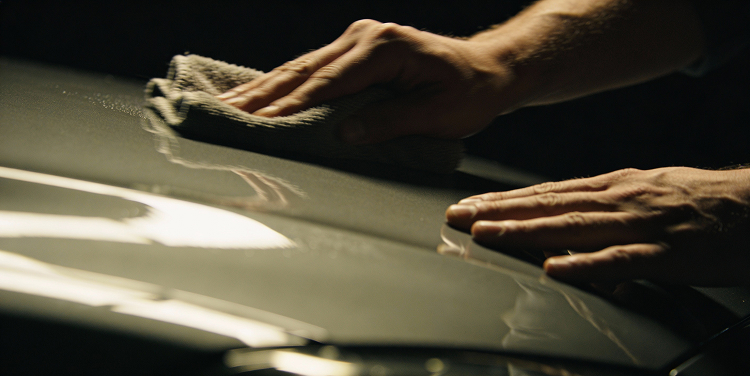
Run your hand across your paint after a wash. If it feels rough or gritty instead of glass-smooth, that's bonded contamination. Brake dust, industrial fallout, rail dust, overspray, tree sap residue, and road film all embed into the clear coat over time. A regular wash can't remove them because they're physically bonded to the surface.
Clay bar treatment pulls those contaminants out of the paint without damaging the clear coat. The result is a surface that's perfectly smooth and ready for polishing, sealing, or coating. It's the difference between putting wax on dirty paint and putting wax on clean paint.
In Denver, brake dust from mountain driving and mag chloride from winter roads are two of the biggest contributors to surface contamination. If you've never had a clay bar treatment, your paint almost certainly has embedded contaminants even if it looks clean.
Clay bar treatment is included with every paint correction, scratch removal, and ceramic coating service we offer. It's a required prep step for those services because polishing on top of bonded contaminants would drag them across the surface and create new scratches. We don't offer it as a standalone service because there's no practical reason to clay a vehicle without following it with correction or coating work.
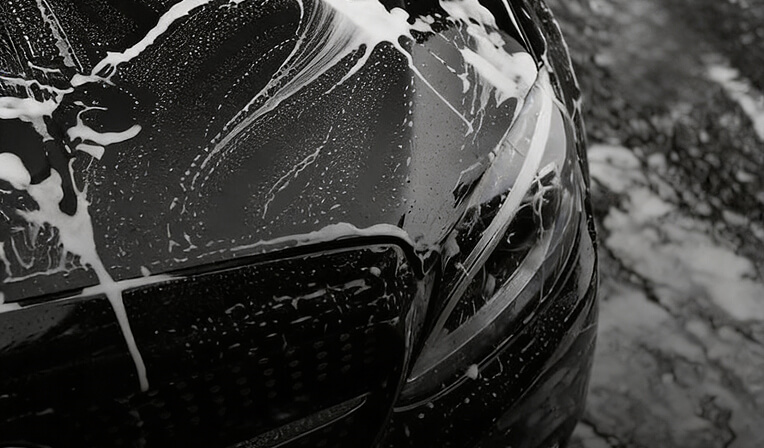
The vehicle gets a full hand wash before any clay work begins. Loose dirt and debris need to come off the surface first. If we clay on top of loose grit, it gets caught in the clay and scratches the paint. A clean surface is the starting point.
We use a clay bar lubricated with a detail spray across every painted panel. The clay glides over the surface and grabs anything that's embedded in the clear coat. You can hear and feel it working. Heavily contaminated areas take more passes. We fold and reshape the clay frequently so we're always working with a clean surface.
After claying, we run a hand across the paint to verify it's smooth. The difference is obvious. Before clay, the paint feels rough or grabby. After clay, it feels like glass. This smooth surface is what allows polishing compounds and coatings to bond properly.
Once the paint is decontaminated, it moves into correction (machine polishing) or directly to coating application. The clay bar step is what makes everything after it work better. Polish bonds more evenly. Wax lasts longer. Ceramic coating adheres more completely.


.png)

-1.png)
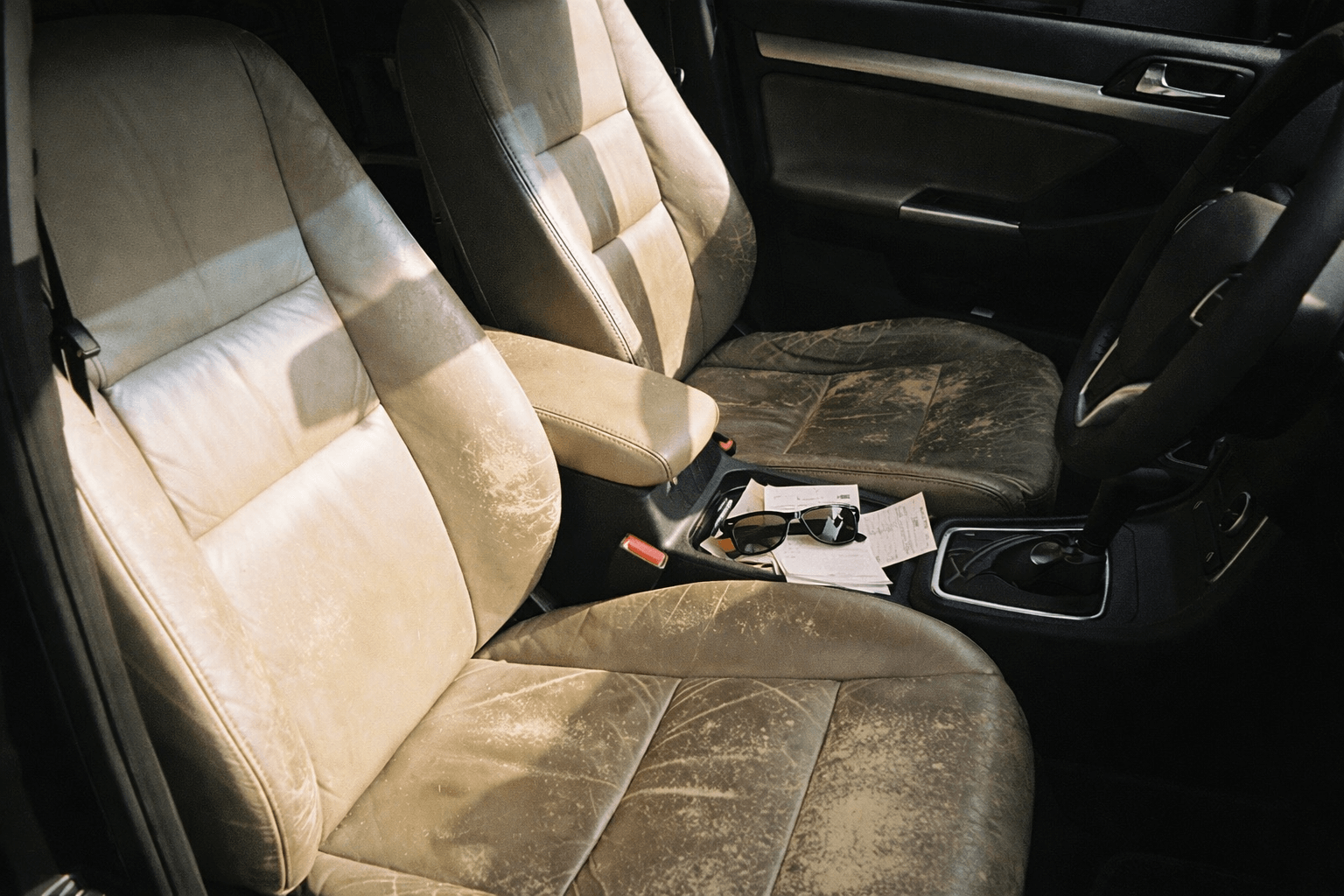
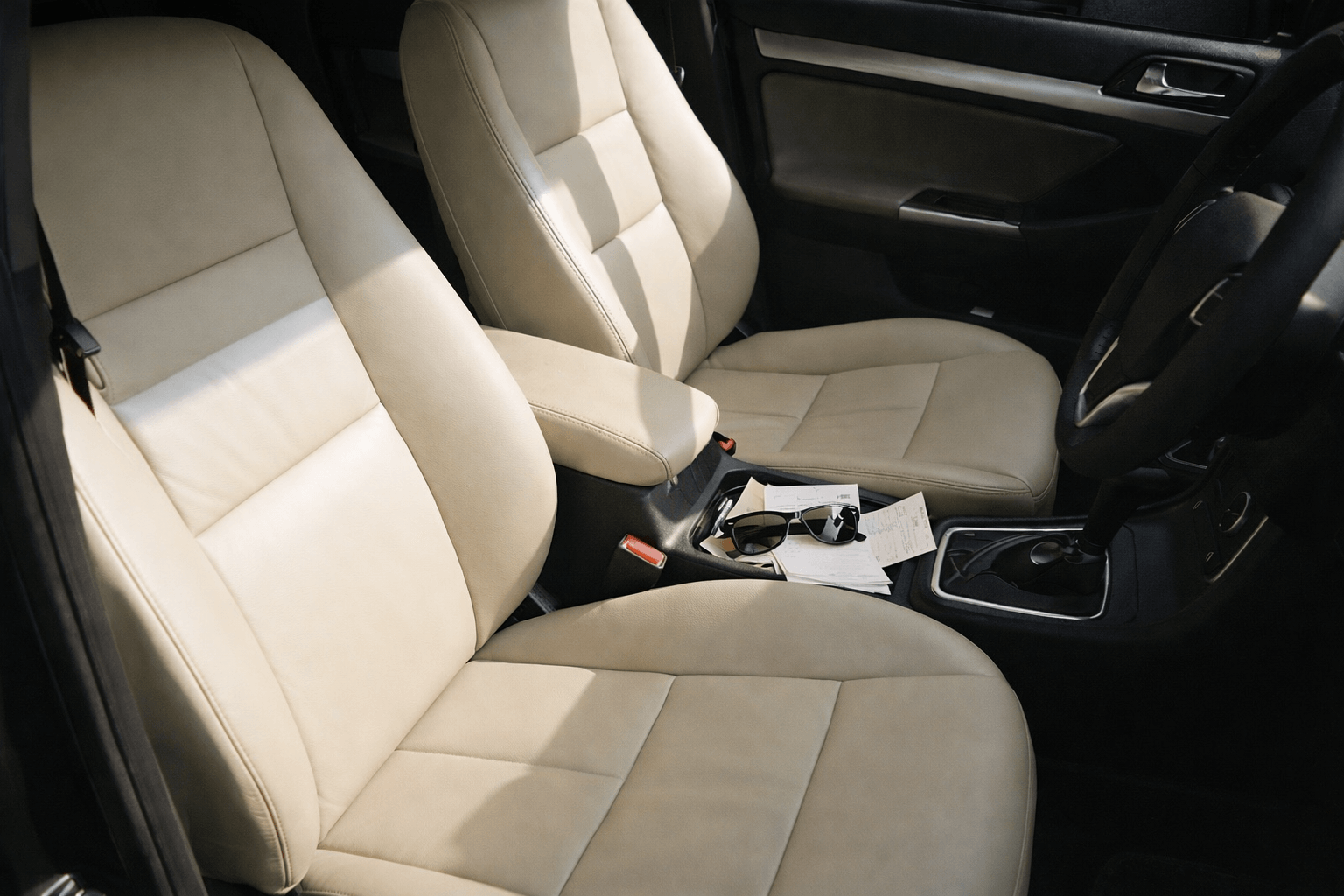

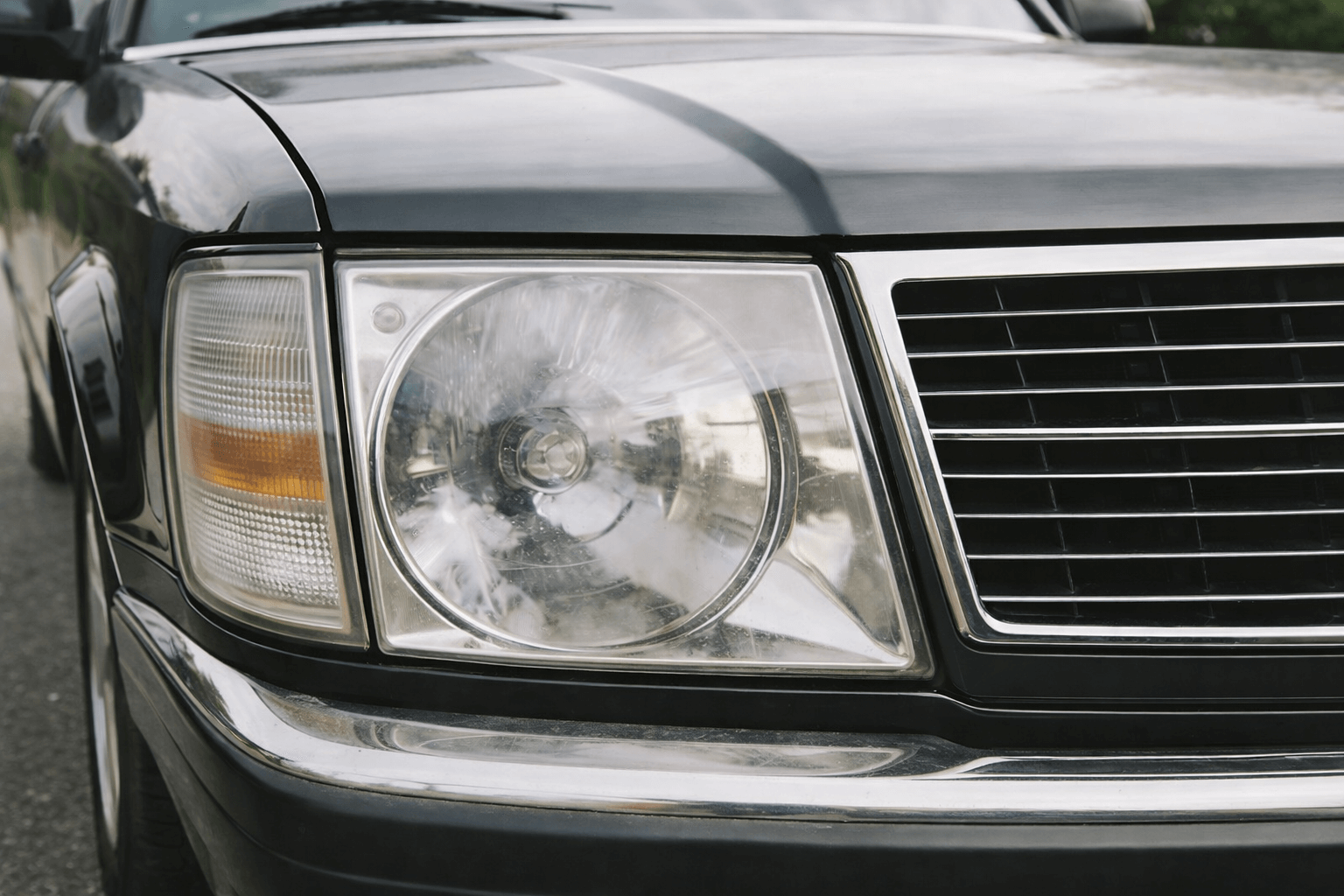
Clay bar removes contaminants but it doesn't protect or correct the paint. After claying, the paint is fully exposed with no protection at all. It needs to be followed by polishing, wax, sealant, or ceramic coating to seal and protect the surface. That's why we include it as part of our paint correction, scratch removal, and ceramic coating services rather than offering it on its own.
Brake dust, industrial fallout (tiny metal particles from rail lines and construction), tree sap residue, overspray from nearby painting, road tar, and mag chloride film. These contaminants bond to the clear coat at a molecular level and can't be removed with soap and water alone.
Not when done properly. We wash the vehicle first to remove loose debris, use plenty of lubrication during the clay process, and fold the clay frequently to keep a clean working surface. The risk of scratching comes from skipping these steps, not from the clay itself.
After washing your car, run your fingertips across the paint. If it feels rough, gritty, or bumpy instead of smooth, there are bonded contaminants in the clear coat. You can also put your hand inside a plastic sandwich bag and run it over the paint. The bag amplifies the texture and makes contamination easier to feel.
Yes. Clay bar treatment is built into every paint correction, scratch removal, and ceramic coating service. It's not an add-on or upcharge. It's a required step in the process.
.png)


.png)

.png)







Call, text, or request a quote below.